
About Two-Lane Blacktop
Two-Lane Blacktop (1971) stands as one of American cinema's most minimalist and hypnotic road movies. Directed by Monte Hellman, the film follows two unnamed characters—The Driver (James Taylor) and The Mechanic (Dennis Wilson)—as they drag race their souped-up 1955 Chevrolet 150 across the Southwest. Their aimless journey is disrupted when they pick up a young, enigmatic hitchhiker (Laurie Bird) and engage in an extended, cross-country race with GTO (Warren Oates), a middle-aged man spinning grandiose tales about his past.
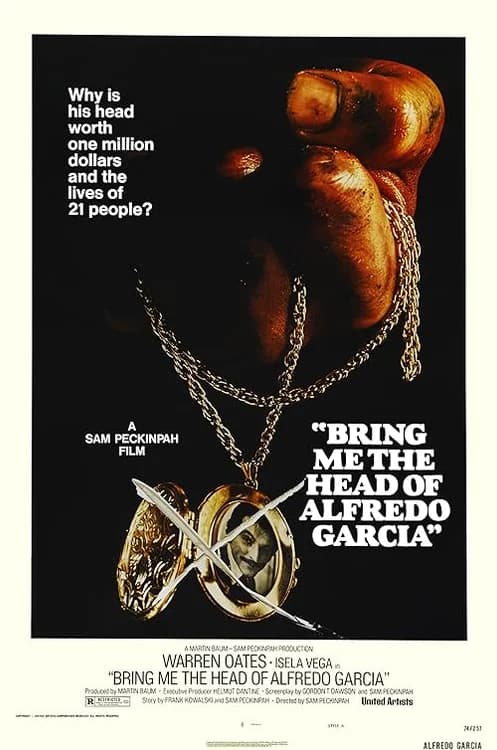
The film is less about racing than about the existential drift of post-1960s America. With almost no traditional plot, Two-Lane Blacktop immerses viewers in the rhythm of the highway, the hum of engines, and the silence between its laconic characters. James Taylor and Dennis Wilson, both musicians in their first major acting roles, bring an authentic, non-performative quality to their parts, while Warren Oates delivers a wonderfully layered performance as a man fleeing his own stories.
Monte Hellman's direction is stark and observational, capturing the vast, empty landscapes with a poetic realism. The film’s cult status has grown over decades for its atmospheric tone, philosophical undertones, and refusal to conform to narrative conventions. For viewers seeking a meditative, character-driven drama that embodies the freedom and loneliness of the open road, Two-Lane Blacktop remains an essential watch. Its influence can be felt in later road films and independent cinema, making it a timeless piece of American film history.
The film is less about racing than about the existential drift of post-1960s America. With almost no traditional plot, Two-Lane Blacktop immerses viewers in the rhythm of the highway, the hum of engines, and the silence between its laconic characters. James Taylor and Dennis Wilson, both musicians in their first major acting roles, bring an authentic, non-performative quality to their parts, while Warren Oates delivers a wonderfully layered performance as a man fleeing his own stories.
Monte Hellman's direction is stark and observational, capturing the vast, empty landscapes with a poetic realism. The film’s cult status has grown over decades for its atmospheric tone, philosophical undertones, and refusal to conform to narrative conventions. For viewers seeking a meditative, character-driven drama that embodies the freedom and loneliness of the open road, Two-Lane Blacktop remains an essential watch. Its influence can be felt in later road films and independent cinema, making it a timeless piece of American film history.